Mondays

Share this article

Before they invented big-screen televisions and botulism was something you never wanted to find in your food, never mind inject into your wrinkles, Mondays were washdays.


In the damp concrete-floored, low-ceilinged cave that was our basement, my mother had an Easy brand wringer washing machine with an agitator the size of an outboard boat motor. The machine’s electrical cord was the size of my ten-year-old wrist and when you plugged it in, the whole contraption made the most wonderfully frightening grinding roar as it mashed up the dirty clothes into a sudsy pudding. 


As the eldest, I got to feed the corners of the bed sheets into the finger-mangling rollers of the wringer, every shove forward an audacious flirt with danger. Would it be painful if my hand got dragged in? I can vouch for the relentless undertow of the spinning rubber cylinders, but they actually didn’t hurt that much.


Once the soiled water had been squished from the load, they were dropped into a huge tub filled either with a dilute blend of Reckitt’s fabric blue or bunch of herbs like lavender (remember, this was way before bottled fabric softener). It was time to empty the tub and refill it with clean water. Since we had no indoor plumbing, that meant a couple of trips to the pump in the corner of the cellar to fill up the galvanized tin pail. We were eco-friendly before it because the in-thing to do – we always washed in cold water! I’m not sure of the formulation of the Sunlight soap bars we used to scrub stains, but they were strong enough to strip off the epidermis if you left your hands un-rinsed for long.


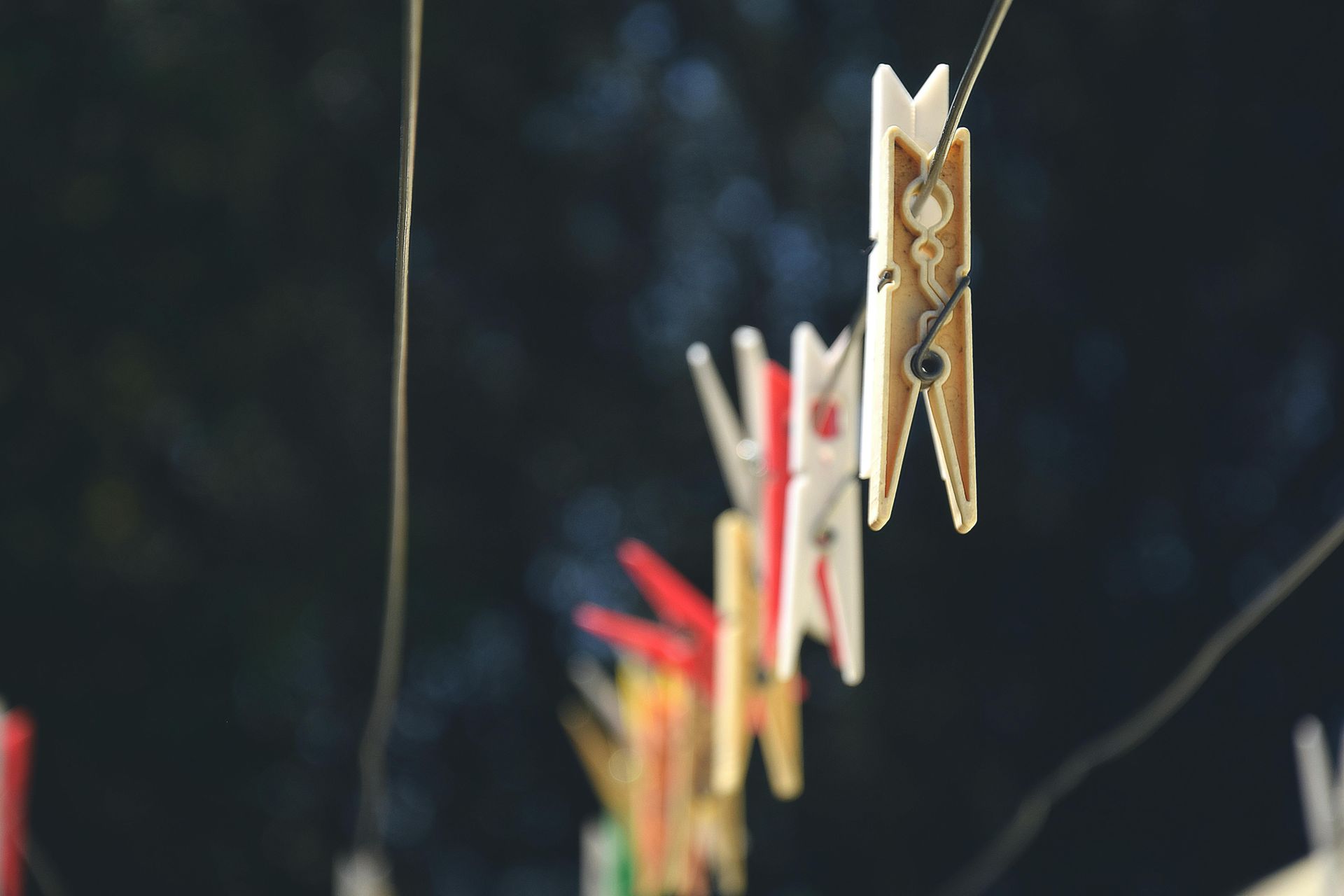
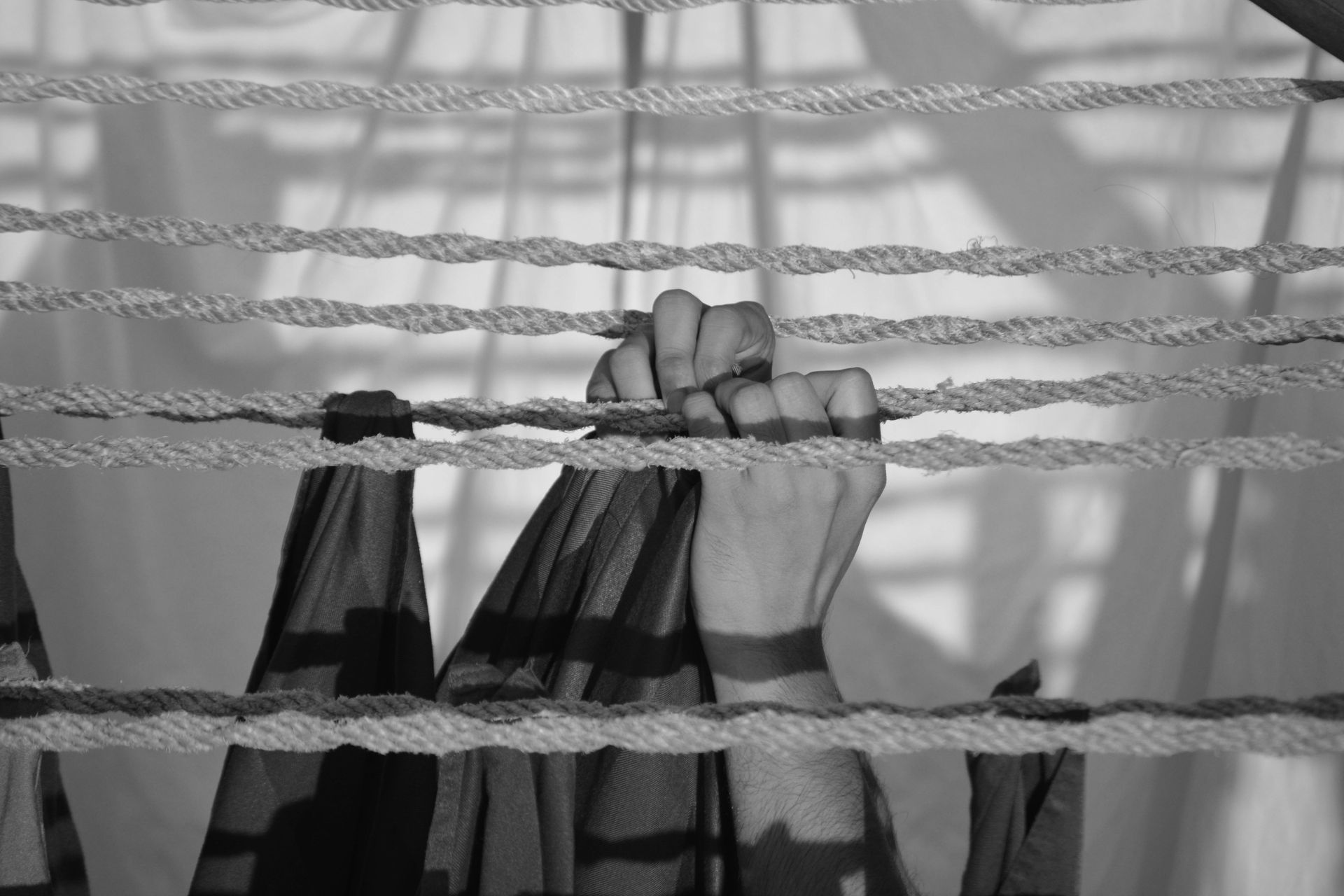
The scent of sun-dried laundry was glorious. Winters, though, were a chore. Baskets of damp clothing had to be manhandled to the back porch and hung quickly on the plastic-coated line before fingers grew stiff with cold. At the end of the day, everything was frozen into cardboard cutouts of their thawed shapes, sharp enough to wound the unwary. Of course they couldn’t be folded. Instead, we took turns wrestling them into the house. Sometimes, depending on how cool and dry it was inside, they’d hang for days on lines of cord criss-crossed under the basement ceiling.

Recent Posts

by Hyacinthe Miller 11 June 2026
put Ordinary People into Extraordinary Situations
by Hyacinthe Miller 6 June 2026
Writing Tip
by Hyacinthe Miller 3 June 2026
Conflict fuels story
by Hyacinthe Miller 30 May 2026
COnflict Matters
by Hyacinthe Miller 28 May 2026
Riding the Short Story Rollercoaster
by Hyacinthe Miller 25 May 2026
Just finish...
by Hyacinthe Miller 22 May 2026
The struggle is real!
by Hyacinthe Miller 17 May 2026
You won't finish if you don't start.
by Hyacinthe Miller 22 April 2026
Passion is defined as a powerful emotion or intense feeling about some one or some thing . It can be positive, like joy or romantic attraction or negative, like anger or avarice. We often talk about passion as though it's a luxury, something to pursue once the practical business of living is settled. Or if someone is passionate about music or art, the environment or, yes, writing, that passion is somehow over the top or not quite proper. But passion has a way of refusing to wait politely in the corner. Plus, passionate people usually are interesting. Write passion into your stories with energy. Don't censor yourself or hold back - you're creating characters with a range of emotions, wants and needs. When you edit your work, make sure you've seasoned the story with elements of passion. That's what readers want to see on the page. Stop for a moment and think about what kind of passion would make you sit up and pay attention. It might be a hobby you set aside years ago but still think about, or a person or project you wish you had not abandoned. Who was that special person who influenced how you see the world? Books that opened your mind in ways you could not have expected? A work of art that made you stop in the middle of a museum and catch your breath? A piece of music that brought you to tears? Passion is all around us, if we simply take the time to stop and hear or see it. It doesn't have to be explosive or shocking, either. Let's be curious about the world around us. It's never too late to let passion be the plot twist in your life story, the unexpected turn that reframes everything that came before it. For me, writing fiction has been exactly that — a thread I kept returning to, no matter how many other obligations filled my days. The first story I wrote was called Whiffy the Skunk. I remember reading it to my younger brothers, and how satisfying it was for my ten year old self to hear their laughter. When they asked for more stories with bigger adventures, I knew that I'd found my calling. I was a writer. Creative possibilities don't announce themselves with fanfare. They appear quietly, as a pull toward something you can't quite stop thinking about. Pay attention to that pull. It knows where your story is going.
by Hyacinthe Miller 17 April 2026
Every writer I know is waiting for something. The right moment. A longer stretch of time. The fully formed idea. The confidence that what they write will be good enough. Here's the truth: writing confidence doesn't arrive before you start. It builds because you started. Sure, it's daunting to be faced with a blank page in your notebook. Or to have to watch that blinking cursor on the vast expanse of unfilled space on your computer screen. The thing is, that inspiration you're holding on to won't suddenly appear. You have to sit down and do the work! You don't need to write a novel today. You need to write 300 to 500 words — a scene, a moment, a fragment of something that interests you — and call it done for now. Lower the bar until it's easy to step over. Then step over it every day. Progress beats perfection every single time. The finished page, however imperfect, is infinitely more useful than the perfect page that exists only in your head. Yes, you are a writer. You can do this, one word, one sentence, one paragraph at a time. Short stories, scenes, small fragments of writing all count. Start with confidence, because confidence is a decision, not a feeling. And don't forget to give that writing a title, and include the date when you save it, especially on your hard drive. As those pieces of work add up, you'll have a visual marker of your progress.
Show More